
As an employer, you must protect people from harm. This includes doing a risk assessment to decide what reasonable steps you need to take to protect your workers and others from coronavirus (COVID-19).
A generic risk assessment is unlikely to be specific or detailed enough. For example, it might not identify adequate ventilation requirements or sufficient cleaning controls for particular areas and circumstances.
Your risk assessment should reflect the public health regulations and guidelines for the nation you are in.
Steps needed to manage the risk
As part of your risk assessment, you must:
· identify what work activity or situations might cause transmission of coronavirus (COVID-19)
· think about who could be at risk – this could include workers, visitors, contractors and delivery drivers
· decide how likely it is that someone could be exposed
· identify the controls needed to reduce the risk
You should ensure you consider the risk to groups of workers who are particularly vulnerable to coronavirus (COVID-19) and put controls in place to reduce that risk.
When you’re doing your assessment, you must talk with your workers about the measures you’re considering. They can provide valuable information on how you could reduce risks.
You should put monitoring and supervision in place to make sure the controls you have are working as expected.
Controlling the risks
HSE (Health and Safety Executive) has produced guidance to help you continue working safely and manage the risks associated with running your business at this time.
This includes practical measures you should take, including:
· Adequate ventilation
· Sufficient cleaning
· Good hand hygiene
You must consult your workforce on health and safety matters, talking to workers and their representatives helps to reduce risk.
You should also make sure that any controls you identify do not increase other risks.
None of these control measures can help manage the transmission of COVID-19 on their own. Your risk assessment should identify a package of measures.
In addition, there are other measures you can consider to help reduce the risk of transmission during the pandemic to limit the number of people your workers are in contact with, for example staggering the times people come into work or go home.
Source: https://www.hse.gov.uk/coronavirus/working-safely/risk-assessment.htm
You would like to rent office space in Ho Chi Minh City, Vietnam?
CJ Building is located at the heart of Ho Chi Minh City where all necessary facilities are at your hands. We offer all solutions for your various requirements of offices. Learn more about our office plans and find the ideal workspace for you and your business to thrive in.
 5 ways to save your office costs during the Covid-19 pandemic
 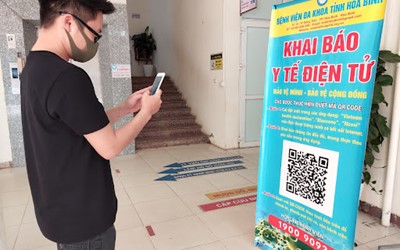 How to make a QR code for your office for customer health declaration during the Covid-19 pandemic
 Why Are Offices Still Important in the Digital Age?
  Virtual Office vs. Shared Office – Which is best for your workspace needs?
  What Does “Hybrid Work” Really Mean?
 2 Bis - 4 - 6, CJ BUILDING
No. 6 Le Thanh Ton street, Sai Gon Ward, HCMC
Tel: +84 28 6255 6800 | Fax: +84 28 6255 6801
Email: leasing@cjbuilding.com.vn


